

How Often Should You Inspect Your Sidewalk After Repair?
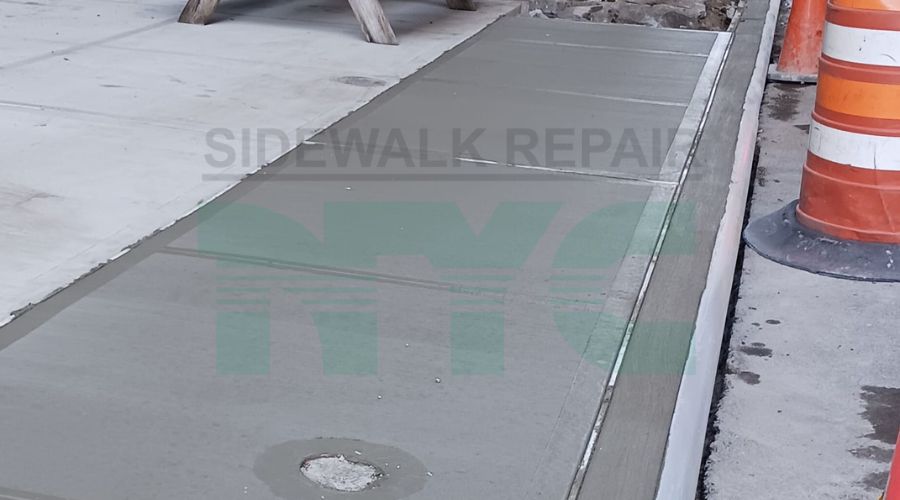
Getting your sidewalk repaired and having the violation removed feels like a major task finally completed. Cracks are gone, the surface looks clean, and walking feels safe again. But here is something many property owners overlook. A repaired sidewalk still needs attention.
Sidewalks are exposed to constant pressure. Foot traffic, vehicles, weather changes, tree roots, and time all work against concrete. Regular inspections after repair are the simplest way to protect your investment and avoid future violations or costly fixes.
Let us break down how often you should inspect your sidewalk after repair and what you should be looking for at each stage.
Why Post Repair Inspections Matter
A sidewalk repair does not mean the concrete is immune to damage. Small issues can start quietly and grow into serious problems if ignored. Catching early signs saves money, prevents injuries, and keeps you compliant with local regulations.
In cities like New York, property owners are responsible for sidewalk safety. One missed problem can lead to a DOT violation or a liability claim. Regular inspections put you in control instead of reacting to emergencies.
The First Inspection After Repair
Your first inspection should happen within the first thirty days after the repair is completed.
This is the period when the concrete is still settling and curing. Even with professional work, minor surface issues can appear early.
Look for small surface cracks, uneven edges near joints, or areas where water pools after rain. These are not always serious but they should be noted. If you spot something unusual, contacting your contractor early can prevent long term damage.
This first check builds familiarity. You begin to understand how your sidewalk normally looks and feels.
Monthly Visual Checks for the First Six Months
For the first six months after repair, a quick monthly walk over your sidewalk is ideal.
You do not need tools or technical knowledge. Simply walk the area and observe. Pay attention to changes in surface texture, small chips forming at edges, or sections that feel slightly uneven underfoot.
Seasonal changes often start showing their effects during this time. Temperature shifts can cause minor expansion and contraction. Catching these early allows for simple maintenance instead of full repairs later.
These monthly checks take less than five minutes but offer long term value.
Biannual Inspections After the First Six Months
Once your sidewalk has passed the initial settling phase, inspecting it twice a year is usually enough.
A good rule is to inspect once in spring and once in fall.
Spring inspections help identify damage caused by winter conditions such as freeze and thaw cycles, salt exposure, or snow removal equipment. Fall inspections prepare your sidewalk for colder months when water can freeze inside small cracks.
During these inspections, look closely at joints, corners, and areas near trees or driveways. These spots experience the most stress and are often where problems begin.
Read:How Tree Roots Damage the Sidewalk?
After Extreme Weather Events
In addition to scheduled inspections, you should always check your sidewalk after extreme weather.
Heavy rainfall can reveal drainage issues. Prolonged heat can cause surface stress. Freezing temperatures followed by rapid thawing can expand small cracks.
After storms, heat waves, or harsh winters, walk your sidewalk and look for changes. Even a single deep crack forming quickly should be addressed early.
This habit can prevent sudden trip hazards from developing without warning.
What You Should Look For During Inspections
Knowing what to inspect is just as important as knowing when.
Focus on cracks wider than a quarter inch, surface chipping, uneven slabs, and sinking sections. Also check for raised areas caused by tree roots or shifting soil.
Pay attention to water pooling. Standing water weakens concrete over time and increases slip risks. If water does not drain properly, it is a sign something beneath the surface may be shifting.
If you notice changes that were not there before, document them with photos. This helps track progression and makes conversations with contractors easier.
When to Call a Professional
Not every issue needs immediate repair, but some signs should never be ignored.
If you see a sudden height difference between slabs, long cracks spreading quickly, or areas where pedestrians could trip, it is time to call a professional contractor.
A quick assessment can confirm whether minor maintenance is enough or if preventive repairs are needed. Addressing problems early almost always costs less than waiting for full replacement.
How Regular Inspections Save You Money
Many sidewalk problems start small. A hairline crack becomes a trip hazard only when ignored. A slight slope becomes a violation when left unchecked.
Routine inspections allow for sealing, grinding, or minor adjustments instead of expensive concrete work. They also reduce the risk of fines, lawsuits, and emergency repairs.
Think of sidewalk inspections like oil changes for your car. They are not exciting, but they prevent breakdowns that cost far more.
Final Thoughts
A repaired sidewalk is a strong foundation, but it is not a permanent solution without care.
Inspect within the first month, check monthly for the first six months, then move to twice yearly inspections. Add extra checks after severe weather, and never ignore early warning signs.
Regular sidewalk inspections protect your property, your finances, and the people who walk past your building every day. Small attention today prevents big problems tomorrow.
That is the real value of staying ahead.